Redtwig Dogwood
Cornaceae (Dogwood Family)
Quick ID:


Cornus sericea
Quick ID:

Redtwig dogwood is full of character throughout the year. In its leafless winter state, the conspicuous red branches set off a blaze of color against the snow.
Early spring brings dense, flat-topped clusters of creamy white flowers, which give way to pea-sized white berries in summer.

Cooler temperatures bring out purple and red anthocyanins in the leaves--the mass fall display of a dogwood thicket can really take your breath away. Look for this loosely spreading deciduous shrub, typically 6-12' high, growing in dense thickets in riparian areas and open forests.

The red twigs are tipped by a uniquely pointed terminal bud, and can be covered in lenticels on the old growth. Leaves are opposite (arranged in pairs along the stem), simple (not lobed), with entire (not serrated) margins that tend to be wavy and occasionally rimmed in purple.
Notice the way the veins sweep up toward the tip of the leaf. This is a great identifying feature that can be used to distinguish dogwood from the many other simple-leaved species out there (chokecherry, twinberry, huckleberry...I'm looking at you).

Very common throughout Canada and the northern US, south to Virginia on the east side and northern Mexico in the west. Look for it growing in the rich, moist soil of riparian areas and in forest openings, in conjunction with alder (Alnus spp.), willow (Salix spp.), cottonwood and aspen (Populus spp.), Wood's rose (Rosa woodsii), currants (Ribes spp.), Rocky Mountain maple (Acer glabrum) and horsetails (Equisetum spp.).
What's in a Name?
 Cornus is the Latin word for horn (like a unicorn). The Romans called the dogwood "cornel", in reference to its wood, which is hard as the horn of a goat and useful for making a great many things. This is also a convenient way to remember the distinct leaf buds of redtwig dogwood, which are narrow and pointed like horns.
 The species name sericea means silky, in reference to the fine hairs covering the leaves. The origin of the word "dogwood" itself is not totally settled. It may be a corruption of "dagwood", from the use of its hard wood in making dags (or daggers). Alternatively, there is some evidence that a concoction of English Cornus leaves was used to treat dog mange in 17th century herbology.
C. sericea is also commonly known as redosier dogwood. This may be confusing, since "osier" comes from the medieval term for willow (Salix sp.) In fact, the flexible young branches of C. sericea have long been used for basket weaving, much like the willows that grow in similar streamside thickets.
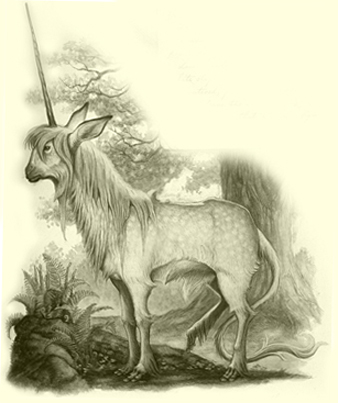 Cornus is the Latin word for horn (like a unicorn). The Romans called the dogwood "cornel", in reference to its wood, which is hard as the horn of a goat and useful for making a great many things. This is also a convenient way to remember the distinct leaf buds of redtwig dogwood, which are narrow and pointed like horns.
 The species name sericea means silky, in reference to the fine hairs covering the leaves. The origin of the word "dogwood" itself is not totally settled. It may be a corruption of "dagwood", from the use of its hard wood in making dags (or daggers). Alternatively, there is some evidence that a concoction of English Cornus leaves was used to treat dog mange in 17th century herbology.
C. sericea is also commonly known as redosier dogwood. This may be confusing, since "osier" comes from the medieval term for willow (Salix sp.) In fact, the flexible young branches of C. sericea have long been used for basket weaving, much like the willows that grow in similar streamside thickets.
Tidbits:
Like most of our native plant species, dogwood has been, and continues to be, valued for its many benefits to humans. An extract made from the leaves, stems and inner bark can be used as an emetic for treating fevers and coughs (and a great many other ailments), and the inner bark scrapings have long been added to tobacco smoking mixtures. The red stems not only produce colorful weaving patterns, but can be used to make red, brown and black dyes.
 The white berries, although tart and bitter, are not poisonous, and have been eaten by many people throughout history. The fruits are low in natural sugars, making them less attractive to wildlife and less likely to rot than other berries. Thus, dogwood fruit persists long into the winter, making it available when other food is not. These unlikely berries are a key food source of grizzly and black bears, and are also eaten by songbirds, waterfowl, cutthroat trout, mice and other animals. Beavers use the hard wood to build dams and lodges.
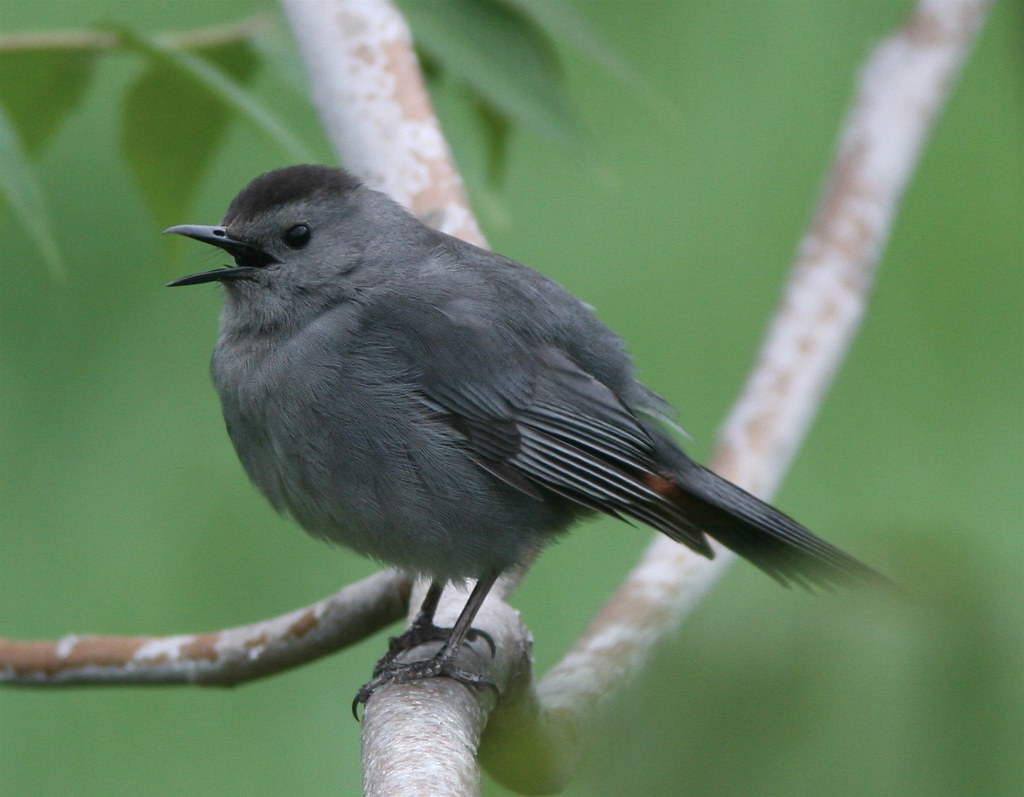
 Thickets of dogwood are especially good habitat for little birds like the dusky flycatcher, orange-crowned warbler, Lincoln sparrow and the house finch pictured here. These thickets, often located along the river's edge, provide good places to rear young, with year-round security and food sources. Because of its thick root system, redtwig dogwood is also important for stabilizing these streambanks, particularly in places where stream channels are scoured by seasonal flooding.
Like most of our native plant species, dogwood has been, and continues to be, valued for its many benefits to humans. An extract made from the leaves, stems and inner bark can be used as an emetic for treating fevers and coughs (and a great many other ailments), and the inner bark scrapings have long been added to tobacco smoking mixtures. The red stems not only produce colorful weaving patterns, but can be used to make red, brown and black dyes.


Wild Gardening
 Being a water-loving species, Cornus sericea is tolerant of moist soils and varying water tables. Once established, it also holds up well against drought. Research has shown that water-stressed plants actually have a higher tolerance to freezing cold temperatures. When dogwood senses the shortened days of oncoming winter, tissue changes occur that prevents the plant from taking up water and increases water lost through transpiration, so the tissue becomes dehydrated even when water is abundant. This interesting adaptation, along with C. sericea's somewhat complex ability to avoid freezing injury by having water freeze outside of its cells, should make it an incredibly cold-hardy choice for northern gardeners. BUT, remember the notorious cold snap of early October, 2009, when temperatures across Montana took a sudden dive into the single digits? Our 11-year-old redtwig dogwood--10' tall and strong as an ox, we thought--was the only significant plant we lost at the Nature Adventure Teaching Garden here in Missoula. Granted, all the plants at the NATG are dynamite no-fear natives that can take most anything the weather throws at them, so the garden's overwhelming hardiness came as no surprise. The loss of Big Red was a sad one, though.
 Luckily, dogwood is easy to propagate by seed, layering or stem cuttings, and easy to establish in a range of soils. This is one shrub that will do fine in partial shade as well. And while the tender stems are preferred browse for deer, elk and moose, they're less enticing that many of the delectable non-native shrubs commonly planted as ornamentals. Aside from all the wildlife you'll be providing backyard habitat for, you'll also be enticing pollinators and butterflies with the fragrant white blossoms in spring (C. sericea is an important larval host for the Spring Azure (Celastrina ladon) butterfly. Overall, this is one of the best all-purpose native shrubs to plant for ease of care and year-round enjoyment.


 Luckily, dogwood is easy to propagate by seed, layering or stem cuttings, and easy to establish in a range of soils. This is one shrub that will do fine in partial shade as well. And while the tender stems are preferred browse for deer, elk and moose, they're less enticing that many of the delectable non-native shrubs commonly planted as ornamentals. Aside from all the wildlife you'll be providing backyard habitat for, you'll also be enticing pollinators and butterflies with the fragrant white blossoms in spring (C. sericea is an important larval host for the Spring Azure (Celastrina ladon) butterfly. Overall, this is one of the best all-purpose native shrubs to plant for ease of care and year-round enjoyment.
Thanks to Dave DeHetre, Bryant Olsen and Paul Alaback for some of the images used here.
Spotlight On... features Montana native plants that are currently on display in our natural areas. Have a plant that you'd like to see featured? Let us know!